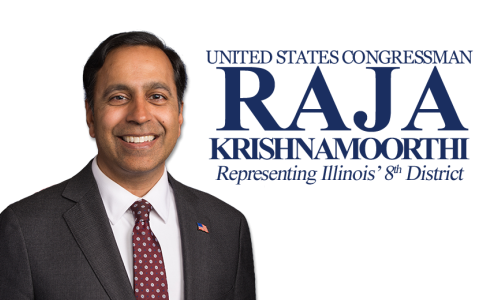
Congressman Krishnamoorthi Introduces Kids Need Lunch Act to Ensure Illinois Children Don’t Go Hungry at School
WASHINGTON — Congressman Raja Krishnamoorthi (D-IL) today introduced the Kids Need Lunch Act, legislation to guarantee that every child in Illinois and across the country has access to a free school lunch so no student is forced to go hungry while they are trying to learn. With food insecurity continuing to affect families across Illinois, many children rely on school meals as their most dependable source of food during the day.
“No American child should go hungry when they should be focused on learning in school,” Congressman Krishnamoorthi said. “Yet in communities across Illinois, too many students attend school hungry. This bill ensures every child can count on a meal at school, without stigma or barriers, so they can focus on learning and growing. Feeding children is not just an act of compassion — it is a commitment to their education and our future.”
According to the U.S. Department of Agriculture, roughly one in nine Illinois children experiences food insecurity, highlighting the critical role school meals play in helping students learn without hunger. The Kids Need Lunch Act amends the Richard B. Russell National School Lunch Act to expand access to free lunches for all students and provide lasting stability for schools and families. By making school lunch a universal guarantee, the Kids Need Lunch Act helps ensure Illinois children have what they need to learn, grow, and succeed — regardless of their family’s income.
The Kids Need Lunch Act would:
Guarantee free school lunches for all students, eliminating income-based eligibility requirements and ensuring universal access.
Ensure schools are fully reimbursed for meals served, with federal payment rates adjusted annually to keep pace with rising food costs.
Reimburse schools for existing unpaid meal balances, relieving districts of accumulated school meal debt.
Prohibit schools from collecting unpaid lunch charges from students or families, ending harmful and stigmatizing practices.
The text of the legislation is available here.