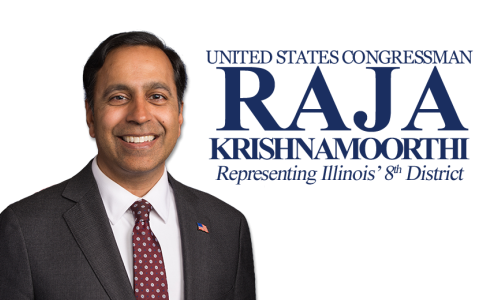
Krishnamoorthi Applauds Senate Committee Advancement of His Bipartisan Skills-Based Federal Contracting Act
WASHINGTON — Congressman Raja Krishnamoorthi (D-IL) today applauded the Senate Homeland Security and Governmental Affairs Committee's unanimous approval of the bipartisan Skills-Based Federal Contracting Act, legislation he co-led in the House to tear down the paper ceiling by expanding opportunities for skilled workers and ensuring federal contracting decisions focus on demonstrated ability rather than unnecessary degree requirements. The bill previously passed the House unanimously and now advances to the full Senate.
“The Senate committee's unanimous vote brings us another step closer to tearing down the paper ceiling that has kept too many talented Americans from competing for good-paying jobs,” said Congressman Krishnamoorthi. “By focusing on skills rather than unnecessary degree requirements, our bipartisan legislation will expand opportunity, strengthen the federal workforce, and help ensure taxpayers get the best value from federal contracts. I look forward to seeing it pass the full Senate and reach the President's desk.”
The Skills-Based Federal Contracting Act requires federal agencies to justify any minimum education requirements included in federal contract solicitations, helping ensure contractors are evaluated based on their ability to perform the work rather than credentials that may not reflect real-world qualifications. By encouraging skills-based evaluation, the legislation will increase competition, reduce unnecessary barriers, and expand opportunities for qualified workers.
The legislation expands opportunities for workers Skilled Through Alternative Routes (STARs) by helping tear down the paper ceiling that has prevented many qualified Americans from competing for federal contracting opportunities despite having the skills and experience to do the job. These workers have developed expertise through apprenticeships, military service, community college programs, workforce training, or on-the-job experience rather than a traditional four-year degree.